
Leadership Disposition #7: To promote each student’s academic success and well-being, effective educational leaders engage in dialogue with other decision-makers affecting education.
Leadership Disposition #8: To promote each student’s academic success and well-being, effective educational leaders engage families and communities in mutually beneficial ways.
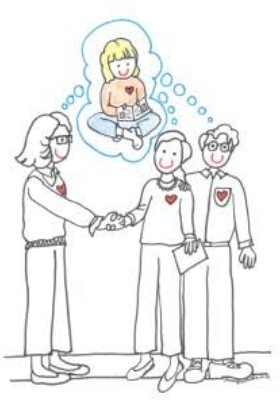
This course allowed me to investigate strategies to increase stakeholder engagement both within the school community and with external partners. During this course, I analyzed the efficacy of what already exists at my school to increase collaboration with family and community stakeholders and was able to build new relationships and programs.
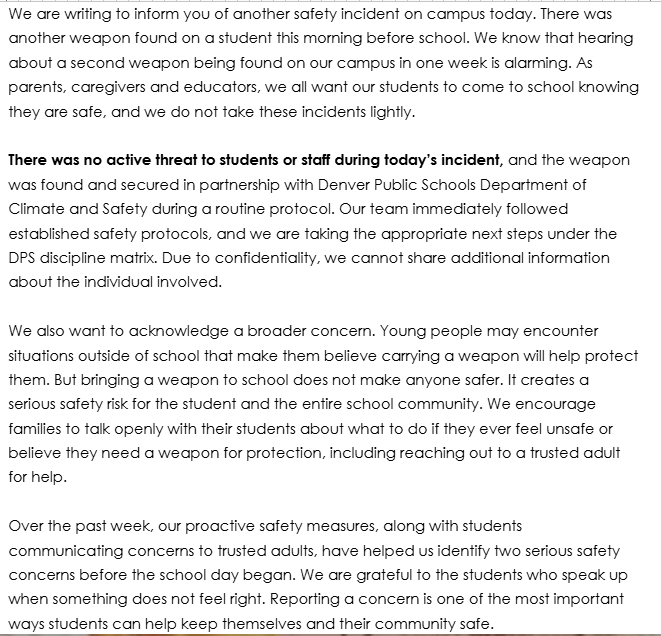
My Leadership Goal: Initially, when I began this internship, I wanted to focus on making family-teacher conferences more collaborative. From previous experiences, I know that family-teacher conferences are often not a priority in high school because families are trying to help their children become more independent. However, I believe that the partnership between families and school doesn’t have to end in 8th grade, and these conferences are a great opportunity to establish or re-establish that relationship. Therefore, my goal was to design, pilot, and lead a student-led parent-teacher conference structure across 90% of advisors that incorporates home culture reflection questions, achieving at least an 80% positive feedback rating from participating parents on a post-conference partnership survey. Unfortunately, we had some high-level safety incidents, and I had to pivot.
Summary of Achievements: Even though I did not hit this goal, the safety response gave me many authentic opportunities to practice external engagement. Strike et al. (2019) tell us that “knowledge and understanding, approachability, accessibility, and resiliency are necessary skills of an effective leader” (p. 56). Through the experience of coordinating our response to significant safety incidents, I was able to demonstrate these traits. I joined a family meeting and hosted open office hours so families could bring concerns directly to me. I sent multiple transparent communications so families heard from me early, often, and “through a variety of channels” (Strike et al., 2019, p. 60). I created a safety task force to bring stakeholders into the problem solving. I am also building a partnership with the district safety team as we navigate these concerns, which has pushed me to engage with other decision-makers who affect our students. Each of these moves was about engaging families and community in mutually beneficial ways.
Opportunities for Reflection and Evolution of Understanding: As I reflect on this experience, the biggest lesson is that community trust is built in moments like these, and it will make the student-led conference work stronger when I return to it. Sometimes as leaders we have to pivot our priorities because we work with humans, and humans have unpredictable needs, and that is okay. Being able to pivot in the moment and with conviction to support everyone in the school is a critical skill of a leader. Strike et al. (2019) remind us that “leadership focuses on the future or what needs to be done” (p. 130).
Fostering Future Competencies: To continue engaging families, communities, and decision-makers in ways that promote each student’s academic success and well-being, I am committed to the following actions:
- Return to Student-Led Conferences: I will revisit the student-led conference structure with the trust and communication channels built during the safety response, so conferences become a true partnership with families.
- Sustain Family Communication: I will continue the open office hours and proactive, multi-channel communication beyond the crisis so families know how to reach me and hear from me early and often.
- Deepen External Partnerships: I will continue building the relationship with the district safety team and keep the safety task force engaged so that decision-makers and stakeholders share responsibility for student well-being.
References:
Strike, K.T., Sims, P.A., Mann, S.L., and Wilhite, R.K. (2019). Transforming professional practice: A framework for effective leadership. 2nd ed. Rowman and Littlefield.


Leave a Reply